
Condo Prices Are Dipping in Los Angeles - Here’s Why Assessing the HOA Matters More Than Ever
Condo prices across the U.S. recently posted their biggest decline in over a decade. The data is in and it shows that condo prices are down roughly 2% year over year. In addition to this, condo sales volume has cooled compared to previous peak years.One of the major reasons? Rising HOA costs, aging buildings, insurance increases, and deferred maintenance. If you’re buying a condo or townhome in Los Angeles (or anywhere in California), you’re not just buying a unit — you’re buying into a financial ecosystem called an HOA. Because of this, it’s important to know how to properly assess and evaluate the value of the HOA tied to the community property you’re planning to purchase before-hand.
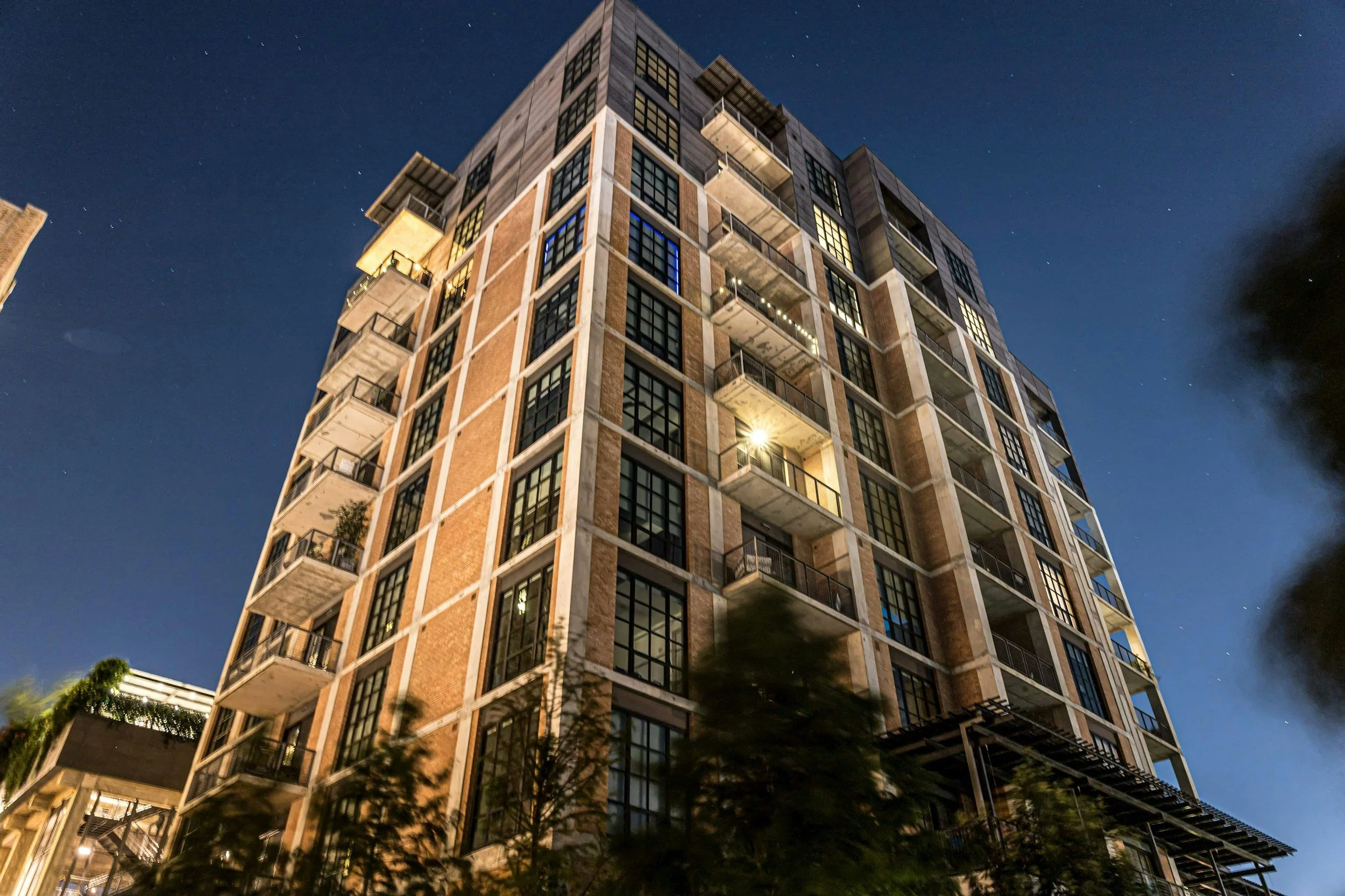
HOAs have pros and cons:
Pros
Exterior maintenance handled for you
Amenities maintained
Shared costs for large repairs
Community standards that can protect property values
Cons
Monthly dues that can increase
Shared financial risk
Potential special assessments
Board management quality varies
That’s why asking the right questions matters. Below are five essential questions every buyer should ask — and what each one actually reveals.
1. How Strong Are the Reserves?
Reserves are the HOA’s savings account for major future repairs such as:
Roof replacement
Plumbing repiping
Elevator upgrades
Exterior paint
Parking structure repairs
What This Reveals:
Whether the HOA is financially prepared
If large surprise costs are likely
How responsibly the board plans long-term
Low reserves often mean owners may face extra charges later.
2. Is the Reserve Study Current?
A reserve study is a professional report that estimates repair and replacement costs over the next 20 to 30 years.
In California, HOAs are required to update this regularly.
What This Reveals:
Whether the HOA is proactively planning
If projected expenses are realistic
Whether future dues increases may be coming
An outdated reserve study suggests the board may not be financially organized.
3. Have There Been Any Special Assessments?
A special assessment is a one-time extra charge to homeowners when the HOA doesn’t have enough money saved to cover a major repair.
This can range from:
A few thousand dollars per unit
To tens of thousands for structural work or large system replacements
What This Reveals:
Whether the HOA has a history of underfunding
If major repairs were unexpected
Whether future assessments could happen again
A pattern of frequent assessments is a red flag.
4. What Is the Delinquency Rate?
The delinquency rate is the percentage of owners who are behind on their HOA dues.
What This Reveals:
The financial health of the community
Whether cash flow is stable
If lenders may hesitate to finance the building
If too many owners are not paying, the burden often shifts to responsible owners.
5. Are Any Major Repairs Planned Soon?
Ask directly about:
Roofing projects
Plumbing replacements
Balcony or structural upgrades
Elevator modernization
Foundation or parking structure work
What This Reveals:
Whether your monthly costs could increase
If a special assessment may be coming
How transparent the board is about future expenses
Even if you just moved in, you share responsibility for these costs.
Why This Matters Right Now
With condo sales slowing and prices dipping nationally, buyers have more negotiating power — but that also means due diligence is critical. If you’re currently in the market for a Condo or Townhome in Los Angeles and would like help with your search, I’m here to help. My team has over 15 years of trusted experience in the Real Estate space - all of which includes the necessary skills to provide you with a educational, professional, and results-oriented experience.
Learn more about my services here.
Keara Peeples, with eXp Realty #02243103
